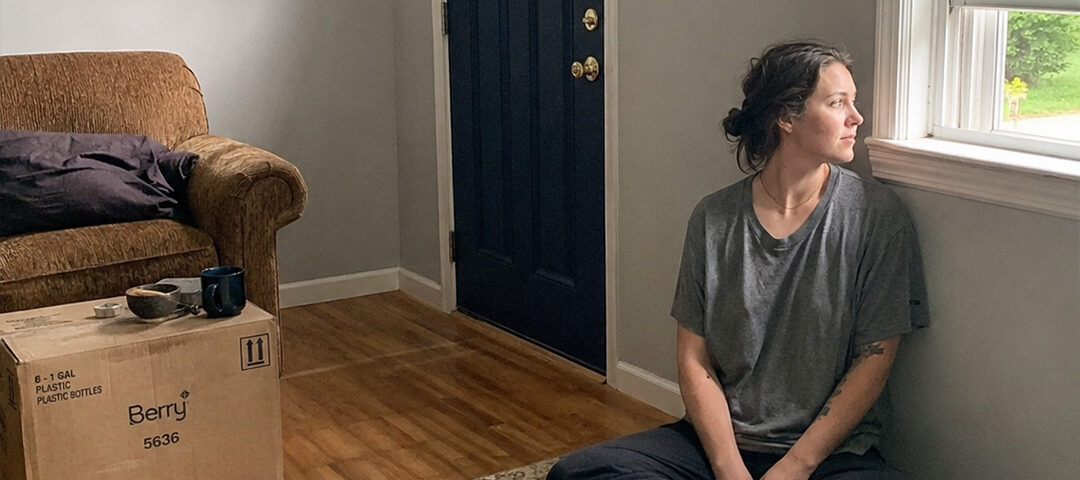
My name is Wendy Moore, and I’m 22 years old. There’s a strange kind of quiet that follows you when the people who raised you pretend not to see you. It’s not silence exactly. It’s a hum like a refrigerator at 3 a.m. that never switches off.
Graduation day tasted like metal. The cap dug into my scalp. The tassel tickled my cheek every time I breathed. Around me, families lifted signs and voices, a parade of “I love yous” and “you did its.” My phone, stuffed into my robe pocket, was a small warm stone against my ribs.
I kept feeling for it, hoping it would buzz with something from home. It didn’t. I used to tell myself I was the quiet one by choice. Third of four. Megan, my older sister, snagged the oxygen first. Valedictorian, dance captain, gold-tinted lighting wherever she stood.
Shawn, my kid brother, ran touchdowns through the rest of the air. He’d get a tattoo and my parents would treat it like a Nobel Prize. I learned to live in the leftover space, making myself useful and invisible at the same time. If you fix the Wi-Fi and wash the dishes, they don’t ask questions. They just don’t ask you to be in the photo either.
In high school, I worked groceries, host stand, stocking nails at a hardware store that smelled like cut pine and injury. I studied in break rooms with a cracked TI-83, ate off-brand pretzels, and learned coupon codes the way other kids learned choreography.
When the full scholarship landed, tuition, books, housing, I hid in a dorm bathroom and cried. Not because I was scared, but because it felt like I’d finally outrun disposable.
Architecture suited me. Build something where there was nothing. Measure twice because you’re tired of being miscounted. Trust the lines you draw. I interned. I learned to survive on cold pizza and judgment. By senior year, I hit every mark, and the world began handing me clean white job offers like menus.
My family said very little. They saved their breath. A week before graduation, I messaged the family chat. Fam Bam, which was funny if you like irony. “Hey, ceremony is Saturday at 2. I’m giving a short speech. Would love to see you there.”
Hours passed. The first reply came from Megan. “Degrees are just paper.” Laughing emoji. Then a GIF. Some guy making it rain money. As if paper was only good when it was hers. I pictured my mom typing something kind to soften it. She didn’t.
My dad finally chimed in the next day. “Hope you didn’t waste money on a suit. No one cares about speeches. Get a job.” I reread those lines in the robing room, holding my phone like it might apologize if I gripped hard enough.
Then I tucked it away and let a different piece of paper steady me: pages from my speech, clean and measured. When my name was called, polite claps washed over me from people who would forget me by dinner. I wasn’t anyone’s poster board. I wasn’t anyone’s balloon.
I held my diploma like proof of survival and walked back to my chair without looking for familiar faces. The speech was simple. “We’re told college is where you find yourself,” I said. “But sometimes it’s where you build yourself piece by piece from pressure and resolve.”
A few soft laughs, a low “facts” from somewhere in the rows. I didn’t aim the words at anyone I knew. There was no one to catch them.
Afterward, the world burst into reunions. I found my phone. Nothing from Mom, nothing from Dad. Megan had sent a fresh eye roll, and there, between their breaths and my heartbeat, sat a message I hadn’t opened yet.
An audio note from Evan. “Hey, Wendy.” His voice was warm and unhurried, the way you talk to a skittish animal. “I clock in at 2, but I’m with you. I’m proud of you. Even if the bleachers aren’t shouting it. Celebrate anyway. Call me when you need quiet that doesn’t hurt.”
The hum eased for a beat. The quiet belonged to me. I didn’t respond to my parents. I opened my camera roll instead and stared at the photo I had taken the day before.
Me on a patchy lawn in front of a modest two-bedroom with a freshly painted door, a sold sign staked in the grass, keys in one hand, the diploma case in the other. No applause, no borrowed down payment, just a life I’d built out of spreadsheets and double shifts.
I posted it to the family chat with a simple caption. No one had to care. I did anyway. For 20 minutes, the chat went medically silent. Then “Mom typing” appeared and disappeared like a distant siren.
I locked the phone and slid into my car because there are only so many times you can rehearse being unwanted before it ruins the song.
The thing about owning something finally, fully, is that it changes your posture. The first time I turned the key in the lock of my house, my shoulders dropped. The floors creaked like they were laughing with me, not at me.
The microwave needed an exorcism. The lawn needed a miracle. And I didn’t own a single piece of furniture that wasn’t a Craigslist poem. But it was mine. No one else had keys, not even the past.
I spent three days learning domestic archaeology, scraping wallpaper that came off in sullen strips, bleeding knuckles on stubborn screws, discovering a spoon welded to a casserole dish like modern art. I bought a secondhand couch from a man who insisted his cat would miss it.
Every task felt like a brick in a wall that said, “You are not a rumor.” On the fourth morning, Mom finally texted. “Why would you post something like that, Wendy?” Not a congratulations. Not pride. Just confusion that I could plant a flag without asking permission.
Dad followed. “No one likes a showoff. Remember your roots.” My roots? I wanted to ask if he meant the overtime, the FAFSA forms I did alone on a cracked screen, the way I learned to measure worth in coupons because theirs never stretched to me.
But I didn’t answer. I didn’t need the last word. I had the deed. I sent the house inspection appointment to my calendar and forwarded the plumber estimate to my email.
I texted Evan a picture of the living room. Bare walls, sun in big rectangles on a carpet that didn’t match anything yet. “Looks like a place that will keep your secrets,” he replied. “I can be there after my shift. I’ll bring iced coffee and the good tape measure.”
I smiled and put on music. The quiet in the house changed pitch. Less hunger, more possibility. That night, Caleb texted, “Tell me you’re doing a housewarming. Don’t make me beg.”
“I was thinking no,” I wrote back. “Low profile.” “Wendy,” he replied, “you built a home in a world that pretended you didn’t need one. We’re going to clap, even if it’s just 15 of us and a Bluetooth speaker that hates commitment.”
I stared at the ceiling fan. It clicked with the rhythm of an old metronome. In my pocket, the family chat was still, a glassy lake with something poisonous under it. In my other palm, I felt the soft warmth of Evan’s words, the firm humor of Caleb’s.
“Okay,” I typed. “Saturday 6. No chalkboard signs.” “Deal,” Caleb wrote. “I’ll bring queso and one person who knows not to microwave a spoon.”
I laughed out loud, which felt new, and stood in the square of sunlight on my living room floor. The house held me steady like a stage that belonged to me at last. I didn’t post an invite to the family chat. Not out of revenge, out of clarity.
I don’t know what tomorrow will ask of me. I know what today did. It asked me to take up space in my own life. So I did. The lock clicked. The room exhaled.
Somewhere, my mother drafted another message. Somewhere else, Evan tied his apron at work and looked at the time. I opened my toolbox and pulled out a tape measure. The good one. The first line I measured was this: where I end and they don’t get to begin again.
By Saturday, the scent of new paint had faded into something I could finally call mine. The kind of smell that said, a woman lives here now, not a ghost. I’d spent the morning sanding corners, wiping dust off the windowpanes, humming quietly to fill the space.
At 5, my phone buzzed. Caleb: “We’re stopping for chips and extra queso. You better not have canceled.” Me: “Wouldn’t dare. Got cups, napkins, and emotional damage to serve.” He replied with three laughing emojis and a heart.
By 6, the doorbell rang, and my empty living room transformed into noise and color. People I’d met in dorm hallways, late-night projects, and part-time jobs sprawled across mismatched furniture. Someone balanced pizza boxes on an overturned paint bucket.
Evan showed up halfway through, smelling like coffee and rain. “Sorry,” he said, holding up a grocery bag. “Work ran late. I brought brownies and your favorite iced tea.” “Forgiven,” I said, “on one condition. No one posts anything.”
He smiled. “You’re really that worried about your family seeing?” I shrugged. “Not worried. Just done performing.” But the internet has a sense of humor.
Caleb, sentimental to a fault, posted a short story to his feed. A grainy clip of me laughing as I scolded him for burning pizza rolls. Caption: “She built this from scratch. Proud of my girl.” By midnight, the clip had 23 likes. And one viewer I didn’t expect: Megan.
I didn’t notice it until the next morning. My phone lit up with the name I used to associate with both power and dread. Mom. Mom: “You didn’t invite us.” Dad: “We see how it is.” Megan: “So desperate for attention, you needed an audience of strangers.”
My pulse thudded. The anger felt colder than fire, more like ice under the skin. I typed three words, then erased them again and again. Finally, I locked the phone and walked into the kitchen where Evan was rinsing dishes.
“They saw the stories,” I said. “They’re angry I didn’t invite them.” He looked up. “And what do you feel?” “Relieved. Because even if they had come, it would have been for photos, not me.” He nodded. “Then let that be your answer.”
Later that afternoon, the doorbell rang. Not the friendly kind. Three sharp knocks in rhythm, like judgment had a beat. Through the window, I saw Mom holding a casserole and Dad standing behind her with his jaw set tight.
“Don’t,” Evan whispered. “I have to,” I said. “If I hide, they’ll rewrite the story again.” I opened the door. “Hi, Mom.”
She forced a smile. “We saw the photos. Looked nice.” Dad crossed his arms. “We figured it was time we see the place.” “You figured that now?” I asked quietly.
Mom’s eyes darted toward Evan like she’d discovered the source of corruption. “We didn’t mean to miss your graduation, Wendy. We were going through a lot.” “I texted you,” I said evenly. “You replied with emojis.”
“That was your sister,” she muttered. “And Dad said, no one cares about speeches.” Dad looked away. No denial, no apology, just the silence of someone who doesn’t lose arguments, only leaves them.
After a long pause, I opened the door wider. “You can come in five minutes. I’ve got plans.” They walked in like realtors inspecting a foreclosure. Mom touching the counter and murmured, “Nice kitchen.” Dad tapping the wall. “Solid construction.”
Shawn wasn’t with them. Probably sent as the family’s emotional decoy next time. They placed the casserole down like a peace offering. “Cheesy potatoes,” Mom said softly. “Your favorite, right?” “Used to be,” I answered.
The silence stretched. Then Dad asked, “You got a loan for this?” “I did.” “That’s a big responsibility.” “Not as big as pretending your daughter doesn’t exist.” He blinked, then looked away again.
Five minutes became 10. I checked the clock. “Thanks for stopping by,” I said. “I’ve got a full day.” Mom’s eyes flickered. “We’re still family, Wendy.”
“Family who forgot to clap,” I said gently. No shouting, no theatrics, just truth. I led them to the door and opened it. Dad hesitated like he wanted to say something else, but instead muttered, “You’ve changed.”
“Yeah,” I said. “I had to. No one else was going to do it for me.” When the door shut, it was like a final curtain falling.
That night, the house felt heavier, not from regret, but from peace settling into the corners. Evan put his arm around me as we sat on the couch. “You okay?” “I think so,” I said. “I finally closed the door.”
My phone buzzed again. I almost didn’t look, but curiosity wins more battles than courage. A message from Megan. “A mortgage doesn’t make you smart. It makes you the bank’s puppet.” Another followed seconds later. “Enjoy your ego trip while it lasts. Real adulthood’s coming.”
I stared at the words until they blurred. Then I took a deep breath, hit block contact, and set my phone face down. Evan watched me quietly. “What’s next?” “I don’t know,” I said. “But whatever it is, it won’t include them deciding who I get to be.”
Outside, the porch light buzzed softly. I could see the outline of the casserole dish through the glass, still sitting on the step where they’d left it, untouched. The house creaked again, but this time it sounded like laughter, like freedom.
A few days passed before I checked the mailbox. I expected junk. Credit card offers, grocery flyers, maybe a pizza coupon. What I didn’t expect was an envelope with my name written in careful cursive.
No return address, just Wendy Moore in ink that trembled slightly, like the hand that wrote it had thought too long before each stroke. Inside was a single sheet of paper folded twice.
“Wendy, I know I’ve never said this directly, but I watched every step you took. I saw what the others pretended not to. The late nights, the silence you walked through alone. You deserve to be seen. If you’re ever willing to talk, I’m here. No pressure. Uncle James.”
I sat down on the kitchen floor, letter still in hand. Uncle James, Dad’s older brother, was the quiet one at family gatherings, the man who sipped coffee in corners and slipped me $20 bills for gas when no one was looking.
I used to think he didn’t care enough to intervene. Maybe silence wasn’t apathy. Maybe it was survival. I called the number I remembered from years ago. Two rings. “Hello.” His voice was rough but steady.
“Uncle James, it’s Wendy.” A pause, then a sigh that carried a lifetime of words he’d never been allowed to say. “Hey, kid.”
We didn’t dive into emotions right away. That wasn’t his way. He talked about the weather, his garden, a neighbor’s dog that kept stealing his mail. Then softly, he said, “You know, your parents used to brag about you. Before they realized you weren’t going to be just like them.”
I didn’t respond. He kept going. “They never learned how to be proud without taking credit. If they couldn’t own your success, they pretended it didn’t happen.” The line went quiet except for the faint hum of his TV in the background.
“Yeah,” I finally said. “That sounds about right.” “You’re doing fine, Wendy. Better than fine.” “Thanks.” He chuckled. “Don’t thank me. I didn’t teach you any of it. You did it yourself.”
After we hung up, I sat there staring at the letter again. For once, the silence around me didn’t feel empty. It felt full, like someone had finally turned on a light in a long, dark hallway.
Later that night, I told Evan about the letter while we shared takeout noodles on the floor. He smiled. “Someone in your family finally got it.” “Yeah,” I said softly. “It’s weird. Recognition feels heavier than anger.”
He nodded, swirling his noodles. “You think you’ll meet him?” “I don’t know. Maybe.”
The next morning, the world returned to normal until it didn’t. My phone lit up again. Dad. I almost didn’t answer, but curiosity, or maybe old habit, won. “Hey, Dad.”
“Wendy,” he began, voice heavy with fake patience. “Your mother and I have been talking…” And there it was, the preamble to a favor. “What’s up?”
“Well, Megan’s lease is up, and she’s been going through a rough patch. We thought since you have that extra room…” I actually laughed. “You’re asking if Megan can move in with me.”
“Just for a few months,” he said quickly. “Family helps family.” “Like when you helped me during college?” I asked, calm but sharp. “Or when you texted me that no one cares about speeches?”
“That’s not fair,” he said. “That was the past.” “Exactly. And it’s staying there.” “Wendy, don’t be dramatic,” he scolded. “You really want to burn this bridge?”
I took a slow breath. “No, I just built a better one.” “Excuse me?” “I mean, I built one that leads away from you.” The silence on the line was almost cinematic.
Then he said, “You’ve changed.” “Good,” I replied and hung up. Evan looked at me, eyebrows raised. “That was your dad?” “Yeah. He wants Megan to move in.”
He exhaled. “You said no.” “Of course.” He hesitated. “You know this might start something bigger.” “Let it,” I said. “I’m done being the family’s emotional landlord.”
That night, I double-checked my locks. Out of habit, more than fear, I told myself it was over. Until around midnight, the motion light flicked on outside the front door.
Through the frosted glass, I saw a silhouette. Broad shoulders. Stationary. Not trying to break in, just standing there under the amber glow, shifting from foot to foot.
“Evan,” I whispered, pulling my phone out. “Look at the porch.” Evan crept toward the window, pulling up the live view of the doorbell cam. The figure stood there for nearly a minute, hood up, staring at the freshly painted door before slowly turning around and walking down the steps into the dark.
As he turned, the light caught half his face. Shawn.
My heart hammered against my ribs, but it wasn’t from fear anymore; it was confusion. My younger brother, the family’s golden boy. I played the recorded clip again on my screen. Evan leaned over my shoulder. “What do you think he wanted?”
“I don’t know,” I whispered. Outside, the quiet didn’t hum anymore. It listened.
By evening the next day, the guilt campaign from my parents was in full swing. Dad left a voicemail about family unity. Megan posted a vague story about selfish people who forget where they came from.
Mom texted a photo of Megan on a couch surrounded by boxes: “She has nowhere to go, Wendy. You have two bedrooms. Shawn tried to stop by last night just to talk to you, to clear things up, but you wouldn’t even open the door. Please don’t make this harder than it needs to be.”
I didn’t answer. For years, I didn’t even have a seat at their dinner table. And now, suddenly, I was expected to host the prodigal daughter.
Around noon the following day, there was another knock at the door. I checked the camera first. Shawn again, hood down this time, holding a paper bag.
I opened the door an inch. “What are you doing here?”
He sighed. “Mom sent me.”
“Of course she did.”
“She just wants you to listen. Megan’s not doing great. She lost her job, broke up with her boyfriend. They’re all freaking out.”
I crossed my arms. “So now it’s my job to fix it.”
He hesitated. “You’re doing well. You have space.”
“Exactly,” I said. “And I earned it.”
He looked down at his sneakers. “They don’t get it, you know. They think you’re showing off, but… I see why you left.”
That startled me. “You do?”
“Yeah. I used to think you were cold, but watching them twist everything this past week…” He stopped, taking a breath. “It’s like they can’t stand when someone doesn’t need them. Mom told me to come pressuring you last night, but when I stood on your porch… I just couldn’t do it.”
For a moment, the wall between us cracked.
“You don’t have to be their messenger, Shawn,” I said softly.
He nodded, backing away. “I know. I just needed to see it for myself. Good luck, Wendy.”
When he left, I closed the door and stood there for a long time, the air thick with the smell of rain and something like relief. Shawn wasn’t entirely lost to their narrative, but he wasn’t my responsibility either.
That night, Evan came over with groceries and a steady calm I didn’t know I needed. We sat quietly listening to the kettle whistle. The house, even with its creaks and echoes, felt like sanctuary until another unread message popped up from Mom: “We’re driving over tomorrow at noon. You can’t ignore us forever.”
The next day at noon sharp, there was a knock at my door. Three shadows through the frosted glass. Mom, Dad, and Megan. Evan was at work. I stood there alone, heartbeat loud in my ears, and opened the door just enough for the chain to hold.
Mom’s tone was clipped, polite in a way that meant anything but peace. “We just want to talk.” “Then say what you need to say,” I replied. She sighed dramatically. “This isn’t who you are, Wendy. You’ve become defensive.”
“I learned it from you.” Dad’s voice broke through, stern and practiced. “Your sister is in trouble. Family doesn’t turn its back.” “I’m not turning my back,” I said quietly. “I’m just not letting her move in.”
Megan, standing slightly behind them, crossed her arms. “You act like you’re better than us now.” “No,” I said. “I just finally know I’m not less.” She scoffed.
“You think a mortgage makes you special? You’ll beg for help the minute something breaks.” “Then I’ll call a repairman,” I said simply. Dad stepped closer to the chain. “You really want to burn this bridge?”
I met his eyes. “You already did. I just stopped rebuilding it for you.” Mom’s mouth trembled, caught between guilt and pride. “You don’t mean that.”
“I do,” I said, voice low but steady. “Because the only time you remember I exist is when you need something from me.” For a moment, no one spoke.
Then Megan muttered, “You’ll regret this.” “Maybe,” I said. “But it’ll be my regret, not yours.” I closed the door before they could answer.
Outside, footsteps shuffled, voices murmured. Then tires crunched on gravel and faded down the street. Inside, the air shifted again. Tense, but lighter. I locked the door, leaned against it, and exhaled.
An hour later, Caleb texted, “Saw your mom’s car outside your place earlier. Everything okay?” I replied with a photo of the closed front door and a caption that said, “Boundary installed. Works perfectly.”
By the time I opened the family group chat later that evening, there were 67 unread messages, a digital avalanche of guilt, denial, and half-truths. Mom: “We didn’t come to your graduation because you said you didn’t want attention.” Dad: “You’ve always been distant. We just respected that.” Megan: “You’re rewriting history to make yourself look like a victim.”
I scrolled slowly, my pulse steady. It was almost funny, watching them twist the past into something they could live with.
I took a screenshot of the original messages, the invite I sent, the emoji replies, Dad’s “no one cares about speeches.” Then I dropped them right back into the chat.
Wendy: “For reference, since memories seem selective.”
Seen by Mom, Dad, Megan. Then nothing. No typing bubble, no apology.
A few minutes later, Caleb called. “Please tell me you didn’t just nuke the group chat,” he said, half amused, half worried.
“I didn’t nuke it,” I said. “I just turned on the lights.” He laughed. “Girl, you dropped receipts like confetti.”
Evan walked in as I hung up, wiping his hands on a rag. He’d been fixing a wobbly cabinet hinge. “Everything okay?” “Define okay,” I said. He leaned on the counter. “You look calm.” “I think I am. There’s nothing left to argue about.”
“Good,” he grinned. “Then let’s focus on next week. We host a barbecue for people who actually show up.”
“Barbecue?” I laughed.
“Yeah. Caleb, your work friends, my cousins, whoever. We’ll fill this house with people who clap because they want to.” The idea felt reckless. Freeing. “Okay,” I said, “but no fancy invites. No family.”
He raised an eyebrow. “Promise?” “Promise.”
The next week, the yard smelled of charcoal and laughter. Caleb brought queso, as always. My coworkers brought potato salad and terrible jokes. Evan’s cousin played guitar. For once, my house didn’t echo. It vibrated with noise and warmth.
As the sun dipped, Caleb raised a glass. “To Wendy,” he said, “who built a home without blueprints and still made it stronger than most families.” People clapped, someone whistled, and my eyes stung in the best way.
The next afternoon, sunlight poured through the windows, soft and forgiving, like it didn’t know what kind of storm was about to arrive. The barbecue leftovers still sat on the counter: a half-eaten cake, paper plates stacked high, laughter still echoing faintly in the walls.
At 2 sharp, a car door slammed outside. I looked through the curtain. Mom in pearls and forced calm. Dad, hands jammed into his pockets, face unreadable, and Megan standing behind them. They were back for one final attempt.
I didn’t move to open the door right away. I let them knock once, twice, a third time, each louder than the last. “Wendy, we just want to talk,” Mom called through the wood.
I opened the door just enough to fill the frame. “Then talk.”
Megan crossed her arms. “We came to make things right.”
I blinked. “By showing up uninvited again?”
Mom frowned. “Don’t start with attitude. We’re trying here.”
I studied her, calm and cold. “Trying isn’t the same as understanding.”
Dad sighed. “Look, this is ridiculous. You’ve got a nice house, a good job. You’ve proven your point. Can we all stop acting like enemies now?”
I almost laughed. “That’s the thing, Dad. I never wanted enemies. I just wanted parents who showed up.” Megan muttered something under her breath, but Mom hushed her.
“We can’t change the past, Wendy.”
“You can’t even acknowledge it,” I said quietly.
Dad stepped closer. “What’s it going to take for you to move on?”
“An apology that doesn’t come with a casserole,” I said.
For a second, none of them spoke. Megan’s eyes flashed. “You think you’re some kind of saint now, just because you have a mortgage and a boyfriend?”
Evan appeared behind me then, silent but steady. He didn’t say a word, just placed his hand lightly on my shoulder, an anchor in the chaos. Mom noticed him inside. “We didn’t come to argue. We came because we’re still family.”
I looked at her, then at Megan, the one who had texted “degrees are just paper” and never once said she was proud.
“Family isn’t just blood,” I said. “It’s who claps for you when no one else does.”
Megan scoffed. “So Caleb’s your family now?”
“Yeah,” I said softly. “Him, Evan, Uncle James, the people who didn’t vanish when things got uncomfortable.”
Dad shook his head. “You’ve changed.”
Finally, I smiled. Not defiant, just done. “I had to.”
Mom’s voice broke then, brittle and small. “So this is it? You’re shutting us out?”
“I’m not shutting anyone out,” I said gently. “I’m just done leaving the door open for people who only knock when they need something.”
For a long moment, none of us spoke. Then Dad exhaled sharply. “Let’s go,” he muttered, turning back toward the car. Megan followed, muttering curses under her breath.
Mom hesitated. Her eyes flicked to the welcome mat, to the small flower pot by my feet. She whispered, “You’ll understand one day when you have kids.”
“Maybe,” I said. “And I hope when that day comes, I’ll clap the loudest.”
She looked down, nodded once, and left. When their car finally pulled away, the world was quiet again. But this time, it wasn’t lonely. Evan slid his hand into mine. “You okay?”
I nodded. “Yeah, for the first time, I think I am.”
Inside, the house smelled like smoke and sugar and fresh air. Caleb texted a picture from last night’s barbecue. Me laughing, Evan handing me a drink, Uncle James smiling in the background.
“You looked happy there,” Caleb wrote. “Like peace finally fit you.”
I smiled, saving the photo to my favorites. Evan wandered to the door, holding up a small silver key. “Mind if I keep this?”
I looked at him, amused. “For emergencies?”
“For trust,” he said simply. “Not the kind they demand. The kind you choose.”
I took his hand and curled his fingers around the key. “Then keep it.”
Outside, the porch light flicked on as the sun dipped. For the first time, it wasn’t guarding against intruders. It was welcoming home, whoever I allowed inside.
I walked to the window and looked out at the quiet street. Mine, finally. Every inch of this place was built from late nights, small victories, and lessons learned the hard way.
They had each other. The excuses, the stories, the edited history. And I had everything I’d built without them. Walls that held, floors that didn’t creak with guilt, and a peace that didn’t ask for permission.
Evan wrapped his arms around me from behind, chin resting on my shoulder. “What now?” he asked softly.
I smiled. “Now I keep building.”
The house hummed gently, steady and alive. The door locked from the inside gleamed in the porch light, a reminder that sometimes the best kind of open is the kind that starts with closing.