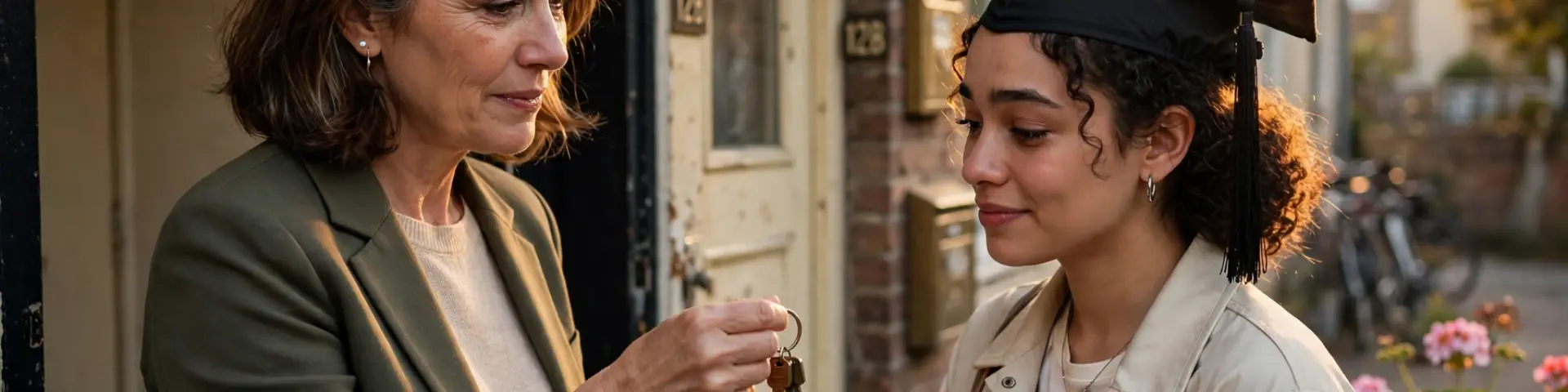
“Then we’ll bring it tomorrow,” I said.
She didn’t answer. At dinner, she spoke only to her father. “Dad, tell your wife I’m not hungry.” I was sitting three feet away.
For the first year, patience was almost all I had. Valeria left dishes beside the sink after I asked her to load them. She raised the television volume when I entered the room. If I cooked, she’d already eaten.
Laura never attacked me in a way that would sound terrible repeated. She preferred comments wrapped in concern. “Don’t let Claudia buy your affection.” “Some women spend money because they don’t know how to build real relationships.”
Once, after I paid for a school trip Javier couldn’t cover, Laura said those words in our driveway, loud enough for Valeria to hear. I waited for Javier to challenge her. He sighed. “You know how Laura is.”
That sentence became his shelter. As though a person’s behavior became harmless once everyone could predict it.
Progress came in teaspoons. “Claudia, can you pass the syrup?” “Claudia, can you drive me to Target?” The first time she used my name without resentment, I nearly dropped the glass I was holding.
By high school, our relationship felt real. Not perfect. Real. When her first boyfriend ended things over text, she sat on my bathroom floor crying while I wiped mascara from beneath her eyes. She leaned against my shoulder. “Can I stay here for a while?” I sat beside her on the tile. “As long as you need.”
I never asked her to call me Mom. I believed love could be genuine without a title.
Valeria enrolled at a private university. The tuition was higher than Javier could manage alone. One evening, Javier and I sat at the kitchen island with financial statements between us. “I can cover about a third,” he said. “Maybe more if I stop contributing to retirement.”
“You shouldn’t do that.”
He looked at me carefully. “I’m not asking you.”
“You were about to.”
“I’ll cover half after scholarships,” I said. When we told Valeria, she cried and wrapped both arms around me. “Thank you. Really, Claudia. Thank you.”