THE TRUST FUND THAT EXPOSED A FAMILY’S TRUE COLORS
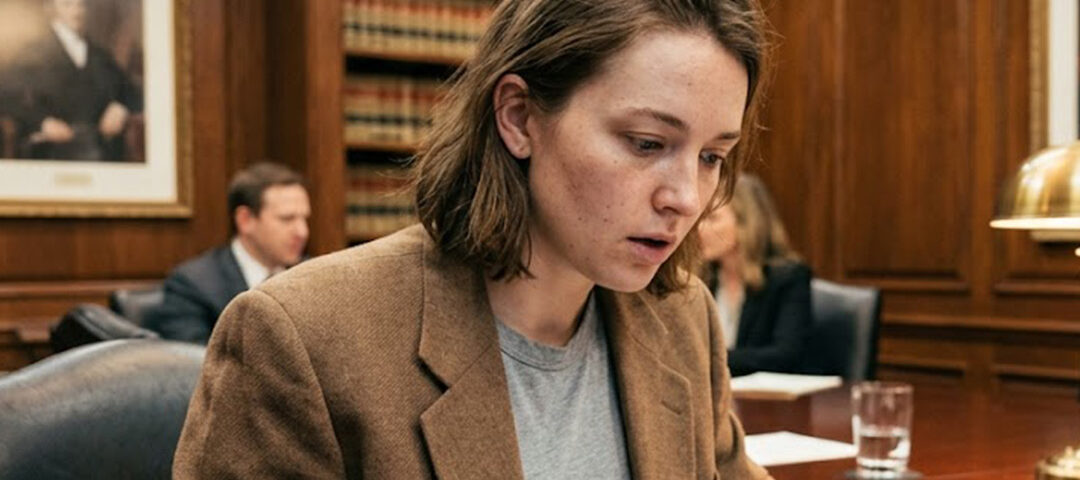
The first time I saw my own name attached to $2.8 million, I was sitting in a Dallas law office wearing a thrift-store blazer, trying to calculate whether I could afford to put gas in my car after the meeting.
That was how my parents raised me.
Not poor.
Worse.
They raised me to believe I was poor inside a mansion.
For twenty-five years, I lived under crystal chandeliers, walked across marble floors, smiled in family portraits beside people who wore wealth like perfume, and still learned how to count coins in a coffee shop bathroom because my parents said money was tight whenever I needed something.
Then, three months after my twenty-fifth birthday, a lawyer slid a folder across a mahogany desk and showed me the truth.
My name was printed on the first page.
Victoria Anne Bellmont.
Beneficiary.
Current value: approximately $2,800,000.
For several seconds, I could not breathe.
The room did not spin the way people say it does in books. It sharpened. The gold pen on the desk became too bright. The brass lamp hummed. The leather chair beneath me creaked when I shifted, and suddenly every old memory of my childhood lined up behind my eyes like witnesses waiting to testify.
My brother Marcus laughing beside a brand-new BMW on his seventeenth birthday.
My sister Olivia stepping into a private riding arena wearing boots that cost more than my first semester of community college.
My mother telling me, with perfect calm, that an art camp brochure in my hand was “an expensive fantasy.”
My father sliding a student loan packet toward me and saying, “Real adulthood begins when you stop expecting rescue.”
All those years, they had watched me struggle.
All those years, they had known.
And the money had never been missing.
It had been hidden.
My name is Victoria Bellmont, and until that day, I believed family loyalty meant swallowing whatever treatment relatives chose to give you. I thought keeping the peace was more mature than standing up for myself. I thought questioning family decisions made me ungrateful.
I was wrong.
The people who trained me to feel guilty for wanting fairness were the same people quietly stealing my right to it.
And what began as a routine meeting about a trust fund became the day I learned my family had not simply neglected me.
They had designed my life to be smaller than theirs.
I grew up in Bellmont Heights, one of those prestigious Dallas neighborhoods where even the trees looked expensive. Our house sat behind a curved iron gate at the end of a circular driveway, a white colonial mansion with black shutters, gas lanterns, manicured boxwoods, and a fountain my mother insisted was “understated” despite the fact that it looked like something stolen from a European embassy.
To everyone outside, the Bellmont family was polished, successful, and untouchable.
My father, Robert Bellmont, was a respected corporate attorney who specialized in mergers and acquisitions. He had the kind of voice that made men in tailored suits stop interrupting. He served on nonprofit boards, shook hands with judges at charity luncheons, and spoke often about legacy.
My mother, Catherine Bellmont, came from old Dallas money and never let anyone forget it, though she did so with enough grace to make arrogance sound like breeding. She hosted garden benefits, arranged floral centerpieces like battlefield strategy, and could insult a woman’s entire bloodline by complimenting her shoes.
Together, my parents built an image of family excellence so convincing that people called us blessed.
Inside the house, blessing had a hierarchy.
Marcus, my older brother, was first.
He was the heir apparent before he understood what the term meant. My father called him “the future of the family” when Marcus was still spilling orange juice on his school uniform. Every grade he earned became proof of brilliance. Every mistake became pressure, stress, or someone else’s failure to understand him.
When Marcus wanted to attend a private boarding school in Virginia, my parents flew there for a tour, hired a consultant, and paid the tuition without blinking.
When Marcus wanted a debate coach, he got one.
When he needed LSAT tutoring, my father found the best instructor in Texas.
When he turned seventeen, a silver BMW sat in the driveway wrapped in a red bow, and my mother cried because “boys become men too quickly.”
Then there was Olivia, the youngest.
Olivia was sunshine in human form if you asked my mother. She was delicate, gifted, sensitive, and always “still just a baby” regardless of her actual age. Her whims became family priorities. When she loved horses, my parents bought her one. Not lessons. A horse. A glossy chestnut mare named Duchess boarded at one of the most exclusive equestrian clubs in the state.
When she wanted voice training, a private coach drove to our house twice a week.
When she cried because her friends were going to Aspen, my mother rearranged our holiday plans within an hour.
Olivia did not ask for things.
She announced feelings, and the household reorganized around them.
And then there was me.
The middle child.
The practical one.
The independent one.
The one who “didn’t need as much.”
That phrase followed me through childhood like a shadow.
Victoria doesn’t need as much attention.
Victoria can handle disappointment.
Victoria understands.
Victoria is stronger than that.
Strength, in our family, was not a compliment. It was a receipt. Every time my parents called me strong, they were explaining why I deserved less.
When I asked to attend summer art camp before my junior year of high school, I did not ask for Europe, a car, or a horse. I asked for a four-week program at a respected art institute that cost less than one month of Olivia’s riding expenses.
My mother looked at the brochure and sighed.
“Victoria, money does not grow on trees.”
I remember staring at her over the kitchen island, the brochure slowly bending in my hand.
“But Marcus’s boarding school—”
My father lowered his newspaper.
“Do not compare yourself to your siblings.”
“I’m not. I just—”
“You just what?” he asked.
The room became quiet. It always did when my father’s voice dropped.
“I just want to go.”
My mother gave me that soft smile she used before saying something cruel.
“Then perhaps you should learn the value of earning what you want.”
So I spent that summer working at a coffee shop near Southern Methodist University, waking before sunrise, smelling like espresso, washing milk pitchers until my hands cracked. I saved enough for community college art classes, which my parents called “a harmless hobby” and “not a serious path.”
That same summer, Marcus flew to New York for a leadership conference, and Olivia’s horse received custom tack imported from Italy.
Nobody in my family seemed to notice the math.
Or maybe they noticed and preferred it.
By college, the pattern had become the air I breathed. I earned scholarships. I worked part-time. I took out loans. I chose cheaper textbooks, skipped spring break trips, and told friends I “liked staying busy” because shame is easier to survive when you rename it ambition.
At family dinners, Marcus spoke about law school admissions and my father listened as if a Supreme Court nomination were imminent. Olivia described dressage competitions and my mother leaned forward, enchanted. When I talked about design projects, internships, or the possibility of graduate school, someone always changed the subject.
I learned to stop offering pieces of myself to people who treated them like interruptions.
Still, I loved them.
That is the ugliest part of stories like mine.
People imagine betrayal arrives wearing a villain’s face. It does not. It wears your mother’s perfume. It knows your childhood nickname. It sits across from you at Thanksgiving and asks whether you are eating enough.
I loved my parents because children are built to.
Even when I moved into a small apartment with unreliable air conditioning and secondhand furniture, I told myself they had done their best. Even when Marcus opened his own law practice with glossy offices in Uptown Dallas and everyone praised his entrepreneurial courage, I told myself maybe he had simply managed money better. Even when Olivia posted photos from private resorts and tagged my parents with heart emojis, I told myself comparison was childish.
I was very good at explaining away my own pain.
Then Hampton & Associates called.
The message was polite, formal, and vague. Margaret Hampton, senior partner at the law firm that had managed parts of my family’s estate planning for decades, wanted to meet with me regarding “important financial matters connected to my twenty-fifth birthday.”
I almost ignored it.
In my world, important financial matters usually meant something expensive was about to happen to someone else.
But the receptionist sounded serious, and Mrs. Hampton had known my great-grandmother Lillian, a woman whose portrait hung in my parents’ upstairs hallway. I had only faint memories of Lillian Bellmont: white hair pinned neatly, diamond brooch, sharp eyes, a hand that smelled faintly of lavender when she touched my cheek.
My father always described her as formidable.
My mother described her as difficult.
I would later understand those meant the same thing.
Hampton & Associates occupied the top floors of a limestone building downtown, all dark wood, glass walls, fresh flowers, and silence thick enough to be expensive. The receptionist offered me sparkling water. I declined because my stomach felt like a fist.
Mrs. Hampton entered the conference room in a navy suit, carrying a leather folder. She was in her late sixties, silver-haired, elegant, with the calm authority of a woman who had watched rich families destroy themselves and had kept records.
“Victoria,” she said warmly. “Thank you for coming.”
“Of course.”
She studied me for a moment longer than necessary.
“Before we begin, I want you to know that this meeting may be emotionally difficult.”
A chill passed through me.
“Is someone ill?”
“No,” she said. “Not physically.”
That was my first warning.
She opened the folder and withdrew a set of documents.
“Your great-grandmother, Lillian Bellmont, established individual trust funds for each of her great-grandchildren before their births. These trusts were designed to mature when each child reached twenty-five, providing financial independence and security.”
I stared at her.
“I’m sorry. Trust funds?”
“Yes.”
“For each of us?”
“Yes. Marcus, you, and Olivia.”
My fingers went cold.
Mrs. Hampton slid the first page toward me.
“Your trust has been managed by professional investment advisors for the past twenty-five years. The current estimated value is approximately two point eight million dollars.”
I looked down.
The number sat there calmly, as if it had not just detonated my life.
$2,800,000.
I read it again.
Then again.
My throat closed.
“I don’t understand.”
Mrs. Hampton said nothing.
“I don’t understand,” I repeated, but this time my voice broke. “If this money existed, why didn’t I know? Why did I have student loans? Why was I working double shifts? Why did my parents say—”
I stopped because the answer was already in the room.
Mrs. Hampton’s expression tightened with something like sorrow.
“Victoria, the trust documents specify that your parents were responsible for informing you of the trust when you reached eighteen. They were also responsible for coordinating access to educational distributions beginning at that age. They have received annual statements regarding its growth and requirements since before you were born.”
The words were gentle.
The meaning was not.
My parents had known.
At eighteen, when I signed loan documents with my father standing beside me.
At nineteen, when I cried because I could not afford a semester abroad that would have changed my portfolio.
At twenty-one, when my mother told me an unpaid internship in New York was irresponsible because “not everyone has the luxury of chasing dreams.”
At twenty-three, when I paid rent late and ate cereal for dinner because my hours got cut.
They had known.
And they had watched.
I pressed one hand against the table.
“Did Marcus know about his?”
Mrs. Hampton hesitated only slightly.
“Yes. Your brother accessed his trust when he turned twenty-five three years ago.”
The room went very quiet.
Marcus’s law practice.
The office space.
The custom furniture.
The assistant.
The “small business loan” he had joked about at Christmas.
It had not been a loan.
It had been his inheritance.
The one I had been denied.
“And Olivia?”
“She has not reached twenty-five,” Mrs. Hampton said. “But your parents have already been informed of the projected value and access timeline.”
Of course they had.
Of course Olivia’s future had been planned.
Mine had been managed downward.
I sat back slowly.
“Why are you telling me now?”
Mrs. Hampton folded her hands.
“Because the trust matured automatically upon your twenty-fifth birthday. Your parents requested a delay in direct beneficiary notification, citing family concerns. The request raised questions. After review, I determined that continued delay would violate our obligation to you as beneficiary.”
I looked at her.
“They tried to keep hiding it.”
“Yes.”
There are moments in life when pain becomes so large it stops feeling like pain and becomes clarity.
That was one of them.
I did not cry in Mrs. Hampton’s office.
Not then.
I asked for copies of everything.
The trust documents.
Annual statements.
Administrative letters.
Communications with my parents.
Any record showing they knew.
Mrs. Hampton watched me gather the papers with careful hands.
“Victoria,” she said, “I strongly recommend that you do not confront your parents alone or without preparation.”
I almost laughed.
Preparation was the only thing my family had ever respected.
So I prepared.
For two weeks, I said nothing.
I went to work. I answered messages. I smiled when my mother texted a reminder about Sunday brunch at the house. I let Marcus send a photo of his new office renovation. I watched Olivia post a video from her riding club with the caption, grateful for parents who invest in my dreams.
I stared at that sentence until my phone screen dimmed.
Then I took screenshots.
Mrs. Hampton referred me to a forensic accountant named Helen Ward, a woman with blunt bangs, rimless glasses, and the emotional warmth of a locked filing cabinet. I liked her immediately.
Helen reviewed the documents in her office while I sat across from her, gripping a paper cup of coffee.
After twenty minutes, she removed her glasses.
“This is not passive neglect.”
My stomach tightened.
“What does that mean?”
“It means your parents did not simply forget to tell you. They made decisions around not telling you.”
She turned her monitor toward me.
The spreadsheet was color-coded, organized, merciless.
My trust had provisions for educational distributions beginning at eighteen. Tuition. Housing. Study programs. Approved career development expenses. Medical emergencies. Even a living stipend if needed while pursuing higher education.
I could have graduated without debt.
I could have taken unpaid internships.
I could have studied abroad.
I could have gone to graduate school before burnout and bills reshaped my choices.
Helen tapped one line.
“Your parents acknowledged receipt of these provisions every year.”
She tapped another.
“They also signed documentation when Marcus accessed his educational and professional funds.”
Another.
“They requested projections for Olivia’s future distributions.”
Then she looked at me.
“They knew exactly how these trusts worked.”
My mouth tasted metallic.
“How much did it cost me?”
“Financially? We can calculate some of it. Student loan interest. Lost educational distributions. Missed investment gains if distributions had been managed properly. Career delay. Housing expenses that should have been covered.”
She paused.
“Personally? That is harder to measure.”
I looked down at my hands.
Helen’s voice softened, just slightly.
“Your parents essentially manufactured scarcity for you. That kind of deprivation affects confidence, risk tolerance, career trajectory, even relationships. You made life choices under false constraints.”
False constraints.
That phrase stayed with me.
It described my entire life.
The apartment I chose because I thought I had no options.
The graduate programs I did not apply to because application fees felt indulgent.
The internships I declined because rent did not care about prestige.
The friendships I avoided because I was embarrassed by how little I could spend.
My parents had not only hidden money.
They had edited my future.
One evening after another long meeting with Helen, I drove past my parents’ mansion and parked across the street in the dark.
The house glowed through the trees. Warm windows. Lanterns. Perfect hedges. The fountain murmuring like nothing ugly had ever happened there.
I remembered standing in that driveway at seventeen, watching Marcus’s BMW gleam beneath a red bow while relatives applauded. I had smiled because everyone else did. My mother had slipped an arm around my shoulders and whispered, “Your turn will come in other ways.”
I had believed her.
Now I wondered whether she had been laughing inside.
The Sunday family meeting happened in the formal dining room.
I chose that room deliberately.
The Bellmont dining room was where my father presided over holidays, announcements, lectures, and punishments disguised as conversations. The table seated sixteen, polished so brightly the chandelier reflected in it. Portraits of dead Bellmonts watched from the walls, their painted eyes stern with inherited importance.
I arrived early.
My parents were surprised to find me already seated at the head of the table.
My father paused in the doorway.
“Victoria.”
“Dad.”
His eyes dropped to the folder in front of me.
“What’s this about?”
“Important financial matters.”
My mother entered behind him in cream silk, diamonds at her ears.
“Darling, if this is about needing help, you should have called privately.”
The old shame rose automatically.
Then died.
“No,” I said. “This concerns everyone.”
Marcus arrived ten minutes late in a tailored navy suit, fresh from golf at his country club. He kissed our mother’s cheek, nodded at me, and sat as if this were a board meeting he expected to dominate.
Olivia came last, still wearing her equestrian jacket, blonde hair pulled into a glossy ponytail.
“Is this going to take long?” she asked. “I have dinner with Avery.”
“Yes,” I said. “It may.”
She blinked at my tone.
My father sat at the opposite end of the table, visibly irritated by my choice of seat.
“Victoria, enough mystery. Say what you need to say.”
I opened the folder.
The sound of paper moving across that polished table was strangely satisfying.
“I asked you all here because I recently learned something that affects this family. Something that reveals a pattern of behavior that has shaped my entire life.”
My mother sighed.
“Must everything be so dramatic?”
I looked at her.
“No. But theft usually earns a little drama.”
The room went still.
I placed the first document on the table and slid it toward them.
“The original trust documents established by Great-Grandmother Lillian. Identical trust funds for Marcus, me, and Olivia. Same initial funding. Same management structure. Same beneficiary rights.”
My father’s face changed first.
It was small. A tightening around the mouth. A flicker in his eyes.
My mother’s hand moved toward her throat.
Marcus leaned forward.
“What is this?”
“My inheritance,” I said. “The one Mom and Dad hid from me for twenty-five years.”
Olivia laughed once, uncertain.
“What?”
I placed another document down.
“My trust matured on my twenty-fifth birthday. Current value, approximately $2.8 million. I should have been informed at eighteen. I should have had access to educational distributions. Instead, I worked minimum-wage jobs, took out student loans, and believed every lecture about money being tight.”
Silence.
Not confusion.
Recognition.
That was the worst part.
My parents did not look surprised.
They looked caught.
My father recovered first.
“Victoria, you are speaking about complex financial arrangements you do not fully understand.”
“I understand enough.”
“No,” he said sharply. “You understand numbers on a page. You do not understand family stewardship.”
I almost smiled.
There it was.
The Bellmont gift for turning wrongdoing into vocabulary.
“Family stewardship?” I asked. “Is that what you called it when Marcus accessed his trust three years ago?”
Marcus turned toward my father.
“What does she mean?”
I looked at my brother.
“You received yours at twenty-five. Correct?”
Marcus opened his mouth.
Closed it.
My mother said quickly, “Marcus’s situation was different.”
“How?”
“He was starting a law practice,” she said. “He needed capital.”
“I needed tuition.”
“You managed.”
The sentence landed like a slap.
I looked at her for a long moment.
“Yes,” I said quietly. “I did. That was the point, wasn’t it? If I survived without help, you could pretend denying me help was wisdom.”
My father’s face darkened.
“We were trying to teach you independence.”
“Funny,” I said. “Marcus and Olivia were never assigned that lesson.”
Olivia sat up straighter.
“Wait. I have one too?”
I turned to her.
“Yes. Yours matures when you turn twenty-five. Mom and Dad know exactly how much it is projected to be worth.”
Olivia’s eyes widened.
My mother reached for her hand.
“Olivia, sweetheart, we were going to discuss it with you when the time was right.”
I laughed.
I did not mean to.
It came out cold.
“The time was right for Marcus. The time will be right for Olivia. Somehow, for me, the time never arrived.”
Marcus rubbed his jaw, eyes fixed on the documents.
“Victoria, I didn’t know you weren’t told.”
I believed him partly.
That almost made it worse.
“You never wondered?”
He looked up.
“What?”
“You never wondered why your sister was working double shifts while you were opening an office with family money?”
“I thought you wanted to be independent.”
“Because that is what they trained everyone to think.”
My father struck the table with his palm.
“Enough.”
The chandelier trembled faintly.
In childhood, that sound would have silenced me.
This time, I slid another paper forward.
“Annual statements. Signed acknowledgments. Letters from Hampton & Associates. Records showing you requested a delay in notifying me even after my trust matured.”
My mother whispered, “Margaret had no right.”
“She had every right. I am the beneficiary.”
“You are our daughter,” my father said.
I looked at him.
“For twenty-five years, you made sure I was treated as less than that.”
His face flushed.
“You ungrateful little—”
“Finish that sentence,” I said.
The room froze.
My father stared at me as if seeing me for the first time.
I was not shouting. I was not crying. I was not asking permission to be hurt.
That frightened him more than anger would have.
My mother tried another tactic.
The soft one.
The deadly one.
“Victoria, darling,” she said, her voice trembling beautifully, “we loved you enough to let you develop character. You were always different from your siblings. More grounded. Less materialistic. We did not want money to ruin that.”
I turned toward her.
“Money did not ruin Marcus.”
“Marcus had responsibilities.”
“Money did not ruin Olivia.”
“She is young.”
“But it would have ruined me?”
My mother’s eyes filled.
“You always twist things.”
“No,” I said. “I am finally untwisting them.”
For the next two hours, my parents performed every version of innocence wealthy people use when facts become inconvenient.
They said they were protecting me.
They said I was stronger.
They said I had never asked the right way.
They said I was too emotional.
They said money was complicated.
They said Lillian would have trusted their judgment.
That was when Great-Aunt Patricia’s name entered the room.
“She wouldn’t have,” I said.
My mother stiffened.
“What?”
“I spoke to Patricia.”
The blood left my mother’s face.
Great-Aunt Patricia was Lillian’s daughter, the only surviving person who had been present when the trusts were created. She lived in a limestone townhouse near Turtle Creek, wore black even to brunch, and had the unnerving ability to remember exact dates from forty years ago.
Patricia had not simply supported me.
She had given me a copy of a letter Lillian wrote before her death.
I removed it from the folder.
My father stood.
“Victoria.”
I read aloud.
“To my great-grandchildren, should there ever be confusion regarding my intention: these trusts are not gifts to their parents. They are not rewards to be distributed by approval or affection. They are equal instruments of independence. No Bellmont child should have to beg for what was set aside in their name.”
Nobody moved.
Olivia’s face crumpled.
Marcus looked sick.
My mother stared at the letter as if it had crawled from a grave to accuse her.
I placed it flat on the table.
“She knew,” I said. “Didn’t she?”
My father’s jaw worked.
“She knew what families become around money.”
My mother’s voice sharpened.
“Lillian was controlling.”
“No,” I said. “She was accurate.”
The meeting ended badly.
Family reckonings usually do.
My father accused me of humiliating him in his own house. My mother cried into a linen napkin without smudging her mascara. Marcus followed me into the hallway, pale and shaken, saying he needed time to process. Olivia locked herself in the powder room and called someone.
I gathered my documents slowly.
At the front door, my father said, “If you walk out like this, do not expect this family to look the same when you come back.”
I turned.
“That is exactly why I’m walking out.”
The legal papers were filed eighteen days later.
By then, my parents had chosen war.
They did not call to apologize. They did not ask to meet with Mrs. Hampton. They did not offer access, restitution, or even one sentence that sounded like remorse.
Instead, they called relatives.
They called friends.
They called people from church committees, charity boards, club memberships, and business circles. They told everyone that I had become unstable. That I was being manipulated by greedy attorneys. That I had always been jealous of my siblings. That I was trying to destroy the family over money.
My mother cried to my aunt Susan that I had “changed overnight.”
My father told a cousin that my accusations were “a tragic misunderstanding made worse by emotional immaturity.”
A family friend forwarded me a message my mother had sent to several women in her social circle.
Please pray for Victoria. We are very concerned about her mental state. She has fallen under outside influence and is making decisions that may permanently damage our family.
I stared at the message in my apartment at midnight, my hands shaking so hard the phone blurred.
That was the moment I learned families like mine do not merely defend themselves.
They prosecute the person who tells the truth.
Helen Ward was not surprised.
“They are shifting the trial from facts to character,” she said the next morning.
Mrs. Hampton agreed.
“If they can make you look unstable, they can make your demand for accountability look like an episode rather than a response.”
“So what do I do?”
My attorney, Daniel Price, leaned back in his chair. He was not related to Daniel Morrison or any other man from anyone’s story. He was a trust litigation specialist with a quiet voice and the instincts of a courtroom predator.
“You stop defending your feelings,” he said. “You document their actions.”
So we did.
Every message.
Every rumor.
Every financial record.
Every signed acknowledgment.
Every loan document that proved my parents had leveraged knowledge of the trusts for their own benefit.
That was another discovery.
The trust fund deception had not been limited to silence.
My parents had treated our trusts as assets inside their larger wealth strategy. They had used projected trust values to strengthen financial statements, secure favorable credit terms, and plan estate transfers that preserved their own lifestyle while limiting transparency. Worse, they had collected administrative fees under the vague category of family oversight, fees they were not entitled to receive.
When Helen showed me the total, I went cold.
“They profited from hiding it?”
“Yes.”
“How much?”
“Enough to matter. Not enough to explain why they did it.”
“What does that mean?”
Helen looked at me.
“This was not about needing money, Victoria. This was about control.”
Control.
There it was.
The center of the maze.
My parents did not keep me from the trust because they were desperate. They did it because my independence threatened the role they had assigned me. Marcus was the legacy. Olivia was the ornament. I was the lesson. The one who proved Bellmont discipline. The one they could point to and say, See? Not all our children were spoiled.
They needed me modest.
Grateful.
Manageable.
A daughter with $2.8 million becomes harder to manage.
A daughter who knows she was wronged becomes impossible.
The lawsuit accused my parents of breach of fiduciary duty, fraudulent concealment, misappropriation of trust-related benefits, and intentional emotional harm through systematic financial manipulation. It demanded immediate access to the trust, repayment of unauthorized fees, compensation for unnecessary student loans and lost educational opportunities, and safeguards for Olivia’s future access.
When my parents received the complaint, my father called me for the first time in weeks.
I let it go to voicemail.
His message lasted twenty-seven seconds.
“You have gone too far. You have no idea what you are doing. Call me before your lawyers destroy whatever is left of your life.”
I played it for Daniel Price.
He smiled.
“Excellent.”
I frowned.
“That sounded excellent?”
“That sounded like a man who knows the documents are bad.”
They were.
During discovery, the truth got uglier.
An email from my father to my mother when I was seventeen, after I asked about art camp:
Victoria is already too dreamy. Access to Lillian’s money would only make her impractical. Better she learns limits early.
An email from my mother to my father when I was eighteen, after Hampton & Associates sent the beneficiary notification reminder:
If we tell her now, she’ll run off to New York and become impossible. Delay.
A note from my father to the trust advisor when Marcus turned twenty-five:
Marcus is ready to take full advantage of his inheritance. Please expedite.
A message about Olivia’s projected access:
We should prepare Olivia gently. She is sensitive and will need guidance, but the funds will provide her stability.
And then, the one that made me leave the room.
My mother, writing to my father after I had called crying during college because I could not afford a required design software package:
Do not give in. She needs to stop assuming tears create money.
Tears create money.
I remembered that phone call.
I had been twenty.
It was raining.
I sat under a stairwell outside the campus library because I did not want my roommate to hear me beg. The software license cost several hundred dollars. Without it, I would fall behind. My mother listened quietly, then told me, “Sometimes consequences are life’s best teachers.”
She hung up.
I picked up an extra shift.
My grade suffered anyway.
Reading that email years later, I finally cried.
Not because of the money.
Because my pain had been discussed like a discipline strategy.
Marcus came to my apartment two days after that email surfaced.
I almost did not let him in.
He stood outside in a dark coat, holding a paper bag from the bakery we used to love as children. It was such a clumsy peace offering that I opened the door out of curiosity more than forgiveness.
“You brought cinnamon rolls?”
He looked down at the bag.
“I panicked.”
Despite myself, I let him enter.
My apartment looked even smaller with Marcus inside it. He had always belonged to bigger rooms. Not because he was arrogant exactly, but because life had been built around making space for him.
He stood near my secondhand sofa, looking at the peeling paint by the window.
“You lived here during grad applications?”
“I didn’t apply to grad school.”
“I thought you postponed.”
“I could not afford the fees.”
He flinched.
We sat across from each other, the bakery bag unopened between us.
“I read the emails,” he said.
I looked at him sharply.
“Which ones?”
“Enough.”
His face was pale.
“I am sorry.”
I wanted to reject it.
I wanted to say sorry was cheap now that the truth had become legally undeniable.
But Marcus looked genuinely wrecked.
“I didn’t know,” he said. “Not really. That sounds cowardly because maybe I should have known. I saw things. I just accepted the explanation that made me least responsible.”
That was the first honest thing any Bellmont had said to me in months.
“What explanation?”
“That you wanted independence. That you were proud. That you would have refused help.”
I laughed once.
“Did that make sense to you?”
“No,” he said. “But it was convenient.”
I looked away.
He leaned forward.
“I built my firm with money you were denied. I cannot undo that. But I can stop pretending my success was pure merit.”
That sentence loosened something in me.
Not enough to forgive.
Enough to listen.
Marcus offered to provide sworn testimony confirming that our parents had actively helped him access his trust while concealing mine. He also offered to pay off my remaining student loans himself, separate from the lawsuit.
“I do not want your guilt money,” I said.
“It’s not guilt money.”
“What is it?”
He swallowed.
“Back payment on being your brother.”
For the first time since the Hampton meeting, I did not feel entirely alone.
Olivia handled the truth differently.
At first, she seemed horrified. She called me crying after the family meeting, saying she had no idea, saying she loved me, saying everything felt awful. I believed her shock. Olivia was not cruel in the deliberate way my parents were. She simply had the moral imagination of someone who had never been denied anything important.
But as the weeks passed, her sympathy changed shape.
“This has been really hard on me too,” she told me one afternoon over lunch at a restaurant she chose and did not notice I could not have afforded six months earlier.
I set down my glass.
“How?”
She looked offended by the question.
“Everyone is talking about us. Mom is devastated. Dad barely sleeps. People at the riding club keep asking questions. I feel like I can’t enjoy anything anymore without wondering if you’ll think it’s unfair.”
I stared at her.
“Olivia, it was unfair.”
“I know, but I didn’t do it.”
“No. You benefited from it.”
Her eyes filled.
“So now I’m supposed to feel guilty for having parents who supported me?”
I took a slow breath.
“No. You are supposed to understand that their support came inside a system that harmed me.”
She wiped a tear angrily.
“I just hate that everything is ruined.”
That sentence told me where we stood.
Olivia did not hate the injustice.
She hated the disruption.
I left lunch early.
Later, she texted me a paragraph about how she hoped I would heal enough to stop punishing everyone.
I did not respond.
The extended family split exactly along lines of convenience.
Relatives financially tied to my parents called me selfish. Relatives who had observed quietly for years called me privately, often in trembling voices, to say they had always wondered.
My cousin Sarah was the first.
“Do you remember Christmas when we were fifteen?” she asked.
I was sitting on my apartment floor surrounded by legal boxes.
“Which one?”
“The one where Marcus got that watch and Olivia got the diamond earrings?”
I closed my eyes.
“Yes.”
“You got luggage.”
I laughed softly.
“One suitcase.”
“Your mom said it was because you were practical.”
“She did.”
Sarah’s voice thickened.
“I remember thinking, even then, that something was wrong. But adults make unfairness sound normal when you’re young.”
That sentence became another kind of evidence.
Not for court.
For me.
Great-Aunt Patricia was less gentle.
She invited me to tea at her townhouse and served it from a silver pot as if we were discussing weather rather than generational betrayal.
“Your parents always disliked Lillian’s trust structure,” Patricia said.
I looked up.
“They did?”
“Of course. Equal money removes parental leverage. Robert believes hierarchy is natural. Catherine believes affection should be rewarded selectively. Lillian believed both of them were dangerous.”
I almost choked on my tea.
“She knew?”
“She suspected.” Patricia stirred her tea once. “Your great-grandmother had a talent for seeing greed before it introduced itself.”
“Why didn’t she make the trust impossible for them to hide?”
Patricia’s face hardened.
“She believed legal instructions would be respected because she underestimated how easily family can become a loophole.”
I looked down.
Patricia reached across the small table and touched my wrist.
“She would be furious, Victoria. Not disappointed. Furious.”
That mattered more than I expected.
My parents had spent my life using family legacy as a weapon. Great-Aunt Patricia handed it back to me as armor.
The public explosion came at the Bellmont Foundation Gala.
I did not plan it.
Not exactly.
The gala was my mother’s favorite annual performance: five hundred guests, champagne towers, string quartet, silent auction, speeches about education and opportunity delivered by people who used both as social currency.
That year, my parents tried to attend as if nothing had happened.
Worse, they were being honored for “generational philanthropic leadership.”
When I saw the invitation forwarded by a friend, I laughed until my chest hurt.
Then I called Daniel Price.
“Can I go?”
“As your attorney, I advise emotional caution.”
“As a person?”
“As a person, I would pay to watch.”
I went.
Not in borrowed confidence.
In a black dress I bought with my own money from my own trust account after the court ordered temporary access to undisputed funds. It was simple, elegant, and fit like a boundary.
When I entered the ballroom at the Adolphus Hotel, conversations shifted.
Dallas society knows how to stare without turning its head.
My mother saw me first.
She was standing near a floral arch, diamonds blazing at her throat, laughing with the mayor’s wife. Her smile faltered for half a second, then returned brighter.
That was Catherine Bellmont’s gift.
She could bleed internally and still compliment the roses.
My father crossed the room before I reached the bar.
“Leave,” he said under his breath.
“Good evening to you too.”
“This is not the place.”
“For a family conversation? You’re right. You made sure those happen in court now.”
His jaw tightened.
“Do not embarrass your mother.”
I looked past him.
“She managed that herself.”
He stepped closer.
“You think money makes you powerful now?”
“No,” I said. “Truth does.”
Before he could answer, the program began.
Guests moved toward the stage. My parents took their seats at the front. I remained standing near the side aisle beside Great-Aunt Patricia, who had appeared in black velvet and pearls like vengeance with a cane.
“You came,” she said.
“So did you.”
“I have been waiting twenty-five years to enjoy myself this much.”
I nearly smiled.
The foundation chair gave a speech about the Bellmont family’s commitment to equal opportunity. Equal opportunity. The phrase hung in the ballroom like a lit match.
Then my mother took the stage.
She thanked donors. She spoke about education, access, and “the sacred responsibility of privilege.” Her voice trembled beautifully in all the right places.
I could have let it pass.
Maybe a calmer person would have.
But then she said, “Robert and I have always believed that every young person deserves the resources to become who they were meant to be.”
Great-Aunt Patricia made a small sound beside me.
“Lillian would haunt her.”
Something in me moved.
I walked toward the microphone placed in the aisle for donor questions.
Daniel Price would later call this “not legally ideal but narratively devastating.”
My mother saw me too late.
“Victoria,” she said, smile frozen. “How lovely.”
I looked up at her.
“I have a question.”
The ballroom became very still.
My father half rose from his chair.
I continued.
“When a family publicly supports equal opportunity but privately hides educational funds from one of its own children for twenty-five years, does the foundation recommend accountability, or just better public relations?”
Gasps moved through the room like wind through glass.
My mother went white.
The foundation chair stepped toward the microphone.
“Miss Bellmont, this may not be—”
Great-Aunt Patricia’s voice cut from behind me.
“Let her ask.”
Nobody argued with Patricia Bellmont.
My father reached me then, gripping my elbow hard enough to hurt.
“We are leaving.”
I looked down at his hand.
“Take your hand off me.”
He did not.
And that was his mistake.
Because Marcus stood.
My brother walked down the aisle, in front of donors, lawyers, judges, oil families, real estate families, women with diamonds and men with reputations, and placed himself beside me.
“She said take your hand off her.”
My father stared at him.
“Marcus.”
Marcus did not move.
For once, the golden child did not shine where he was told.
Slowly, my father released me.
Marcus turned to the room.
“My sister is telling the truth,” he said.
My mother made a broken sound from the stage.
Marcus’s voice shook, but he kept going.
“Our parents concealed her trust fund while helping me access mine. I benefited from that. I should have questioned it. I didn’t. That failure is mine. The deception is theirs.”
The ballroom erupted.
Not loudly.
Rich people rarely erupt loudly.
They whispered with the force of a collapsing building.
Phones appeared.
My father stood frozen.
My mother gripped the podium.
I looked at Marcus, and something passed between us.
Not repair.
Not yet.
But alignment.
The next morning, every important person in Dallas knew.
By noon, my parents’ attorneys requested settlement discussions.
That is how quickly public virtue collapses when private records exist.
The first offer was insulting.
Full access to my trust fund if I dropped all claims, signed a strict nondisclosure agreement, and issued a joint family statement saying the matter had been resolved privately with love and mutual respect.
Daniel Price read it aloud in his office.
When he finished, Helen Ward said, “That is not an offer. That is a muzzle.”
Mrs. Hampton agreed.
“They are trying to convert legal obligation into parental generosity.”
I looked at the paper.
“No.”
Daniel Price smiled slightly.
“I was hoping you’d say that.”
Our counteroffer was brutal because it was accurate.
Immediate full access to my trust.
Return of unauthorized administrative fees with interest.
Reimbursement of student loans, living expenses, lost educational distributions, and measurable lost opportunities.
Additional compensation for documented harm.
Written apology.
Corrective notice to extended family members who had received false statements.
Strict protections for Olivia’s trust.
And no clause preventing me from discussing my own experience, except for narrow financial privacy terms.
My father refused.
Then discovery produced more emails.
He reconsidered.
Settlement negotiations lasted six weeks. They took place in a conference room with glass walls, where my parents sat on one side with three attorneys and I sat on the other with Daniel Price, Mrs. Hampton, and Helen Ward.
My mother did not look at me the first day.
My father looked only at the attorneys.
By the third session, his control cracked.
“This is extortion,” he snapped.
Daniel Price folded his hands.
“No, Mr. Bellmont. Extortion requires a threat. We are offering you the opportunity to resolve documented liability before trial.”
“I am her father.”
“You were also a fiduciary contact with knowledge of beneficiary rights. Those roles are not shields.”
My mother finally looked at me.
“Victoria, please. Enough.”
The word please irritated me more than her anger.
“Enough happened when I was eighteen,” I said. “Everything after that is consequence.”
She shook her head.
“You have no idea what this has done to me.”
There it was again.
The old Bellmont miracle.
My injury becoming her burden.
I leaned forward.
“Mother, you hid almost three million dollars from your daughter while telling her she could not afford school opportunities. You watched me struggle for years and called it character. You lied to my face. You lied to the family. You lied to protect your reputation. What this has done to you is expose you.”
For a moment, she looked genuinely small.
Then my father said, “You will regret speaking to your mother that way.”
I turned to him.
“No. I regret waiting so long.”
The final settlement gave me everything that mattered.
Full access to my trust.
Nearly $800,000 in additional compensation for lost opportunities, unnecessary expenses, unauthorized fees, and documented harm.
Formal written acknowledgment that my parents’ delay in informing me had been inappropriate and damaging.
A corrective notice to family members retracting claims about my mental stability and motivations.
And legally binding safeguards ensuring Olivia would receive independent notification and direct access when her trust matured, without parental interference.
My parents fought hardest against the apology.
Not the money.
The apology.
That told me everything.
The final wording was careful, grudging, and bloodless.
We acknowledge that our decision to delay informing Victoria about her trust fund was misguided and caused unnecessary financial hardship. We regret any pain our actions may have caused and recognize that all our children deserve equal access to the opportunities provided by their great-grandmother’s generosity.
It was not enough.
But it was on paper.
For people like my parents, paper mattered.
The day the settlement was signed, I walked out of Hampton & Associates into a hot Dallas afternoon and stood on the sidewalk with the city blazing around me.
I expected triumph.
Instead, I felt grief.
There is a strange sorrow in winning against your parents.
People congratulate you because justice happened. They do not always understand that justice does not give you back the childhood where it should have happened naturally.
Mrs. Hampton stood beside me.
“Are you all right?”
“No.”
She nodded.
“Good. That means you are not confusing payment with healing.”
I looked at her.
“Does it ever stop feeling ugly?”
“Eventually,” she said, “it becomes useful.”
She was right.
I used the money first to breathe.
I paid off every loan.
Every credit card.
Every lingering debt from years of false scarcity.
I replaced the car that had left me stranded twice.
I moved out of the apartment with peeling paint and into a quiet condo with tall windows and sunlight that did not feel borrowed.
Then I applied to a prestigious MBA program focusing on wealth management, family enterprise, and succession planning.
The irony was obvious.
I was using hidden family money to study how family money becomes dangerous when secrecy and favoritism are allowed to dress themselves as tradition.
In class, I understood case studies before professors finished explaining them.
Patriarchal control disguised as stewardship.
Sibling rivalry shaped by unequal resource distribution.
Wealth used as approval.
Silence mistaken for loyalty.
I had lived the textbook.
Eventually, I founded the Lillian Initiative, a small foundation providing educational grants and advisory support to young adults from wealthy families who had been denied fair access to resources because of favoritism, manipulation, or conditional family control.
The first recipient was a nineteen-year-old girl from Atlanta whose parents refused to pay for college unless she chose the major they wanted.
The second was a young man from Chicago whose grandparents left equal education funds, but his father tried to redirect his share to a favored sibling.
The third cried during our call because, she said, “I thought rich kids weren’t allowed to say they were being financially abused.”
That sentence broke my heart.
Then it sharpened my purpose.
Financial abuse does not disappear because the house is large.
Sometimes it hides better there.
Marcus and I rebuilt slowly.
He testified. He apologized without demanding forgiveness. He paid my student loans into a separate account only after I agreed to let the money fund grants rather than disappear into my past. He referred clients to the Lillian Initiative. He became, for the first time, curious about the world outside his own advantage.
One evening, nearly a year after the settlement, we sat in his office after hours, looking out over the Dallas skyline.
“I used to think Dad gave me pressure and gave you freedom,” he said.
I looked at him.
“He gave you investment and called it pressure. He gave me neglect and called it freedom.”
Marcus nodded.
“I know that now.”
That was enough for the moment.
Olivia’s trust matured two years later.
Because of the settlement, she received independent legal notice six months before her birthday. My parents could not delay it, shape it, or turn it into emotional leverage.
She called me after the meeting with her own attorney.
Her voice was small.
“I understand more now.”
I waited.
“I thought getting the money would feel exciting,” she said. “But I kept thinking about you sitting in that office alone, finding out late.”
I closed my eyes.
“Olivia.”
“I’m sorry,” she whispered. “Not for being supported. I know that’s not the point. I’m sorry I thought my comfort mattered more than what happened to you.”
For the first time, she had said it correctly.
Not perfectly.
But correctly.
We are still not close in the way sisters in movies become close after one honest conversation. Real families do not heal in montages. But sometimes a door opens a crack, and that is better than a wall.
My relationship with my parents became formally cordial and emotionally finished.
They sent holiday cards.
I sent brief replies.
My mother requested lunch several times. I accepted once.
We met at a quiet restaurant in Highland Park. She wore pale blue and looked older than I remembered, though still beautiful in the disciplined way Dallas women of her class are trained to be.
For the first twenty minutes, she discussed safe subjects.
Weather.
A charity board.
Marcus’s work.
Olivia’s horse.
Then she folded her hands.
“We always loved you, Victoria.”
I looked at her.
“I know.”
She seemed relieved.
Then I continued.
“That is part of what made it worse.”
Her eyes filled.
“We made mistakes.”
“No,” I said gently. “You made decisions.”
She looked away.
“I wish you could understand that we thought we were doing what was best.”
“I understand that you tell yourself that.”
“That is unfair.”
“So was my life.”
She flinched.
For once, I did not feel guilty.
My father never apologized beyond the settlement language. The closest he came was at Marcus’s office Christmas party, where he found me near a balcony overlooking downtown.
“You look well,” he said.
“I am.”
He held a glass of bourbon.
“I suppose you are satisfied.”
There had been a time when that sentence would have pulled me into defending myself.
Instead, I looked at the city lights.
“Yes.”
His jaw tightened.
“With destroying the family?”
I turned back to him.
“No. With surviving what destroyed it.”
He had no answer.
That was the last real conversation we had.
Years later, people still ask whether the money was worth losing my family.
That question misunderstands the story.
I did not lose my family because I found the money.
I found the money and discovered the family had been lost long before.
The trust fund did not destroy us.
It exposed us.
It revealed a father who believed resources should reinforce hierarchy.
A mother who believed control was love if spoken softly enough.
A brother who had to choose between comfort and truth.
A sister who had to learn that being favored does not mean being innocent.
And me.
The daughter trained to be grateful for less until she finally saw the ledger.
Today, the original trust continues to support my life, but I manage it differently from how my parents managed power. Every major decision is documented. Every grant through the Lillian Initiative is transparent. Every young person we help receives not only money but legal education, financial literacy, and one message I wish someone had given me at eighteen:
You are not selfish for wanting access to what was meant for you.
You are not unstable for naming what happened.
You are not destroying the family by refusing to let the family destroy you quietly.
I keep Great-Grandmother Lillian’s letter framed in my office.
No Bellmont child should have to beg for what was set aside in their name.
Sometimes clients ask why that line matters so much.
I tell them because wealth does not only reveal who has money.
It reveals who believes others deserve freedom.
And in my family, that was the real inheritance they tried to keep from me.
Not the $2.8 million.
Not the house.
Not the education.
Freedom.
The freedom to choose my life without asking permission from people who benefited from my limitations.
The freedom to stop mistaking endurance for virtue.
The freedom to walk into a room where everyone expected me to lower my voice and speak clearly anyway.
On the anniversary of the settlement, I drove to Bellmont Heights for the first time in months. I parked across from the old mansion just after sunset. The fountain still murmured. The gas lanterns still glowed. The hedges were still sharp enough to look unreal.
For years, that house had made me feel small.
That night, it looked exactly like what it was.
A beautiful building.
Nothing more.
A house can hold secrets for a long time, but secrets are poor foundations. Eventually, something shifts. A document surfaces. A witness speaks. A daughter stops apologizing. And the whole elegant structure begins to crack.
My parents taught me that family loyalty meant silence.
Lillian taught me something better from beyond the grave.
Real loyalty tells the truth before the next generation inherits the lie.
And that is what I chose.
Not revenge.
Not cruelty.
Not greed.
Truth.
The trust fund exposed my family’s true colors.
But it also revealed mine.
And in the end, that was the most valuable inheritance of all.
If you came here from Facebook because of this story, return to the Facebook post, tap Like, and comment exactly “Amazing” to support the storyteller. That small action means more than it seems and gives the writer genuine encouragement to keep sharing more stories about family pressure, firm boundaries, and finally protecting what you worked so hard to build.
Disclaimer: This story is a work of fiction created for entertainment purposes. Any resemblance to real persons, events, or places is coincidental.