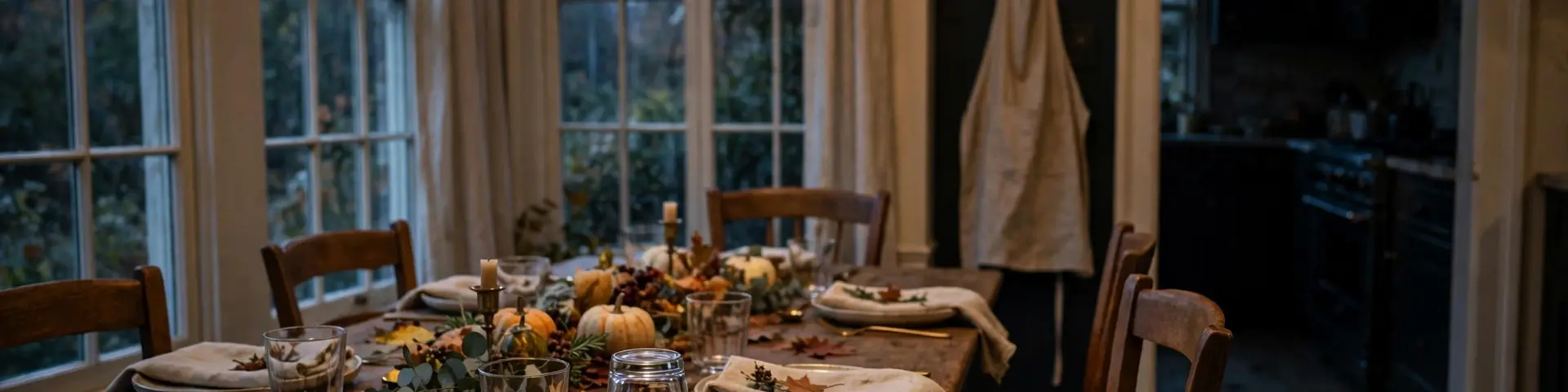
By noon, we were on Pat’s porch in Florida. The air smelled like salt, sunscreen, and rosemary from the chicken roasting in Pat’s little kitchen. Pelicans moved low over the water beyond the palms. Karen sat in a wicker chair, bare feet tucked beneath her, sunglasses on, wearing the first real smile I had seen since before Melissa’s party. Pat poured sweet tea into mason jars and announced that anyone who wanted “a holiday with dignity” had come to the right place.
At 2:00, I turned my phone back on. It lit up like a dashboard during an electrical failure. Missed calls from Derek. Missed calls from Melissa. Texts from both. Where are you? This is not funny. Mom, answer me. Dad, please call. The guests are arriving. My boss is here.
Then Melissa’s name flashed across the screen. I put the call on speaker and set the phone on the small patio table between us. Karen answered. “Hello, Melissa.”
Melissa’s voice came through sharp and breathless. “Where are you?” “In Florida.” A silence. Then: “Florida?” “Yes.” “You were supposed to be here. The turkey isn’t done. The sides aren’t here. People are asking questions. Derek’s boss is in my living room.”
Karen looked at the ocean. “I told you I couldn’t do all of it.” “You said don’t worry.” “I said it because I had stopped worrying.”
Melissa made a small sound, half disbelief, half fury. “Do you understand what you’ve done? You’ve embarrassed us.” “No,” Karen said. “I stopped letting you embarrass me.”
Pat went very still beside us. Even the wind seemed to quiet.
Karen continued, her voice calm in a way that belonged to someone who had finally found solid ground. “You used my cooking to make yourself look gracious. You used my time to build Derek’s career image. You used my kindness because you thought I would never say no. You threw an apron at my feet in front of your friends, then laughed about how easy I was to control.”
Melissa said nothing.
“I heard you,” Karen said.
That was the moment the call changed. Not loudly. Not dramatically. Just a shift in breathing from the other end. “You heard what?” Melissa asked, but the question was weak. “The phone call with your friend.” Another silence. This one longer. Then Derek’s voice entered, farther away. “Melissa?”
Karen closed her eyes briefly. “When you are ready to invite me as your family, I will consider coming as family. But I will never again come as unpaid help. Manage your own home. Host your guests. Carry your own load.”
She ended the call. For several seconds, none of us spoke. Then Pat lifted her glass. “To load-bearing walls walking away.” Karen laughed. It was small, but it was free.
Later, we learned pieces of what happened in Ohio. Melissa tried to save the dinner with grocery-store trays, instant potatoes, and a turkey so underprepared that Derek had to carve around the edges and pretend it was intentional. The pies came from a gas station bakery case. The gravy burned. The rolls never made it out of the freezer. Melissa’s cream dress, chosen for effortless hosting, ended up streaked with flour and cranberry sauce after she tried to do in three hours what she had expected Karen to do in three days.
Derek’s boss noticed. Of course he did. Not because the meal was imperfect — good people forgive imperfect meals. He noticed because Melissa lied. She told everyone Karen had been “too emotional” and “backed out at the last minute,” laughing nervously that older people sometimes became sensitive about helping. A woman at the table asked, “Is this the same mother who made the food at your last party?” Melissa said yes. Derek’s boss, a man named Mr. Whitcomb, set down his fork and looked at Derek. “Your mother cooked for your guests after your wife embarrassed her?” No one answered. The room did what rooms do when truth enters without permission. It changed temperature.
Derek called that evening. Not Melissa. Derek. His voice was rough. “Dad.” I stepped away from Pat’s living room. “I’m here.” “I messed up.” “Yes.” He exhaled shakily. “Mr. Whitcomb pulled me aside after dinner. He said leadership starts at home. He said if I was willing to build an opportunity on my mother’s exhaustion and then let my wife blame her when the plan collapsed, I wasn’t ready to manage people.”