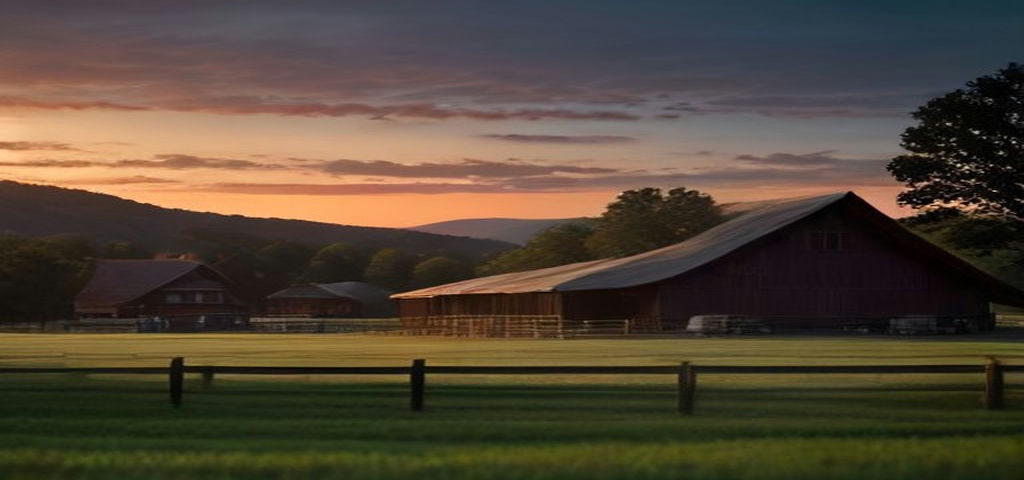
The next few days were difficult.
I woke before sunrise out of habit, but instead of immediately beginning my work, I sometimes sat at the kitchen table longer than usual. Coffee cooled untouched beside me while I stared at the paperwork and tried to imagine what would happen next.
Eventually, I forced myself to move. I fed the horses, checked fences, and made the repairs that could not be postponed. The work gave my hands something to do, even when my mind remained fixed on the court papers.
Relatives came by.
Some pretended they were checking on me. Others wanted information about the dispute, apparently hoping to learn which side was likely to prevail before deciding what they thought about it.
I answered what I could without turning every conversation into an argument.
My cousin Lydia visited one afternoon. She had spent summers at the ranch as a child, running through the pasture and playing around the barn. I remembered those years clearly, which made what she said particularly difficult to hear.
She patted my shoulder.
“This might be for the best,” she said. “You could finally have a life that isn’t tied to this place.”
I looked at her.
She knew what the ranch meant to me. She had seen the work Dad put into it and understood that the property was not simply an obligation I had inherited. It was where I had built my life, where my parents’ memories were woven into ordinary routines.
I wanted to ask her how she could think leaving would solve anything. I wanted to remind her that I had never asked Clare to take responsibility for the ranch, nor had I prevented anyone from remembering our parents.
Instead, I said nothing.
Lydia’s words stayed with me long after she left.
That night, I pulled Dad’s old ledger from a cabinet.
He had recorded almost everything by hand. Feed purchases. Repairs. Property taxes. Veterinary bills. Fence materials. Fuel. The pages were filled with years of numbers written in his careful block lettering, each entry representing another small piece of the work required to keep the ranch operating.
I sat at the kitchen table turning page after page.
Some of the entries brought back memories. I remembered helping him carry supplies, watching him calculate expenses, and learning why he always insisted on keeping receipts even for small purchases.
At the time, I had thought he was simply meticulous.
Now I understood that he had been protecting the ranch in the only way he knew how: by keeping track of what it required and making sure the records were there when they were needed.
The ranch had never been free money.
It had always been work.
And I had been doing that work beside him for years.
The next morning, I drove into town and met my attorney friend. We spent three hours reviewing Clare’s filing, examining the documents, and discussing what options remained.
When he finally finished reading, he leaned back in his chair.
“She got an order,” he said. “That doesn’t mean it can’t be challenged.”
“So we challenge it.”
“Yes.”
“How good is her case?”
He tapped the file with one finger.
“Good enough that you should take it seriously.”
I waited.
“But not as good as she thinks.”
I drove home with those words in my mind. They were not a promise that everything would work out, but they gave me a reason to keep going.
When I arrived, I did something Dad used to do whenever he faced a difficult decision.
I walked the land.
All of it.
I followed the perimeter fences, crossed the pasture, and took the trail behind the barn. I walked through the lower field and stopped beside the trees Mom had planted. The air grew colder as the afternoon faded, and by the time I returned to the house, the sun was going down and my hands were numb.
But my mind was clearer.
I had spent too much time imagining what Clare might do next. Walking the property reminded me why I was fighting in the first place.
I began organizing everything.
The will. Trust paperwork. The LLC records. Tax receipts. Maintenance expenses. I built a binder, then another, arranging the records so that anyone reviewing them could understand the history of the ranch without having to rely on my word alone.
I contacted people I trusted. An accountant. Someone familiar with county records. People who had worked with Dad. Neighbors who had seen me running the place long before my parents died.
I explained what was happening and asked whether they had records or information that might help establish the truth.
For the first time in weeks, I felt useful instead of cornered.
Still, there were moments when leaving seemed easier.
One night, after another long day of work and paperwork, I packed several boxes into my truck. I put clothes in the back seat and loaded a few personal things from the house. I worked quietly, trying not to think too much about what I was doing.
When the boxes were loaded, I climbed into the driver’s seat.
The headlights stretched across the yard, illuminating the gravel and the lower portion of the fence. Beyond them, the pasture faded into darkness.
All I had to do was turn the key.
I sat there for almost an hour.
I imagined driving away and finding a smaller place somewhere else. No fences to repair. No barn roof to worry about. No legal papers arriving in the mailbox. No family members questioning whether I deserved the home I had inherited.
For a few minutes, the thought felt almost peaceful.
Then I remembered Dad’s hands guiding mine as we repaired a fence post. I remembered Mom standing beside the trees she had planted, pleased with how much they had grown. I remembered the ordinary evenings when the ranch was simply home, not a battlefield.
Eventually, I turned off the headlights and got out.
I carried every box back inside.
One at a time.
That was the night I made the decision.
I was staying.
Not because leaving would make me weak. Not because I needed to prove something to Clare or to the relatives who had supported her.
I was staying because I did not want to leave.
There was a difference.
From then on, I stopped treating the ranch as something I was simply defending. I started strengthening it.
I repaired fences properly instead of patching them just enough to get through another week. I fixed a leaking section of the barn roof and cleaned the old tack room, clearing away years of accumulated dust and unused equipment. I painted the porch, replacing the weathered appearance that had bothered me for months.
I made sure the horses were healthy and the property was safe. I studied land management, agricultural programs, and the business side of running property like ours.
My attorney friend joked that I was asking enough questions to qualify for a second career.
“At this rate,” he said during one of our meetings, “you’ll know more about agricultural programs than I do about property law.”
“I’ll consider that a compliment.”
“It wasn’t entirely one.”
For the first time in weeks, I laughed without forcing it.
I applied for conservation programs and agricultural tax benefits I had never known existed. I researched what the ranch qualified for, completed the paperwork, and made sure each application was supported by the required records.
A few weeks later, one application was approved.
The money was not huge, but I used it to repair the front gate. The gate had needed attention for some time, and fixing it properly felt like a small but meaningful victory.
Word spread around town that I was working on the ranch.
People began offering help, sometimes in ways I had not expected. A few stopped to ask about the repairs. Others wanted to know how the agricultural programs worked. I found myself talking about the land again without immediately thinking about the ownership dispute.
Mr. Harland from down the road brought his tractor after a storm dropped several trees.
I tried to thank him, but he waved away my gratitude.
“Your dad would’ve done it for me,” he said.
There was no grand speech, just a simple acknowledgment of the kind of neighbor Dad had been. I watched Mr. Harland work and felt a tightness in my chest that was not entirely sadness.
For years, I had thought of the ranch as something I had to maintain alone. I was beginning to understand that the place had always been part of a larger network of relationships, built through years of people helping one another.
Even Aunt Linda came by.
She carried a pie and looked uncomfortable before she ever reached the porch. I opened the door, and she held the dish between both hands as though she needed something to keep them occupied.
“I owe you an apology.”
I stepped aside to let her in.
“For what part?”
She winced.
“That’s fair.”
We sat at the kitchen table. The pie remained between us while she explained that she had signed a letter supporting Clare.
“I thought she wanted a say,” Linda said. “I didn’t think she was trying to take the whole place.”
I looked at her, trying to keep my voice level.
“You signed something without asking me.”
“I know.”
She lowered her eyes.
“I was wrong.”
I did not immediately forgive her. Her signature had helped Clare’s argument, and the fact that she had not understood the full situation did not erase the consequences.
But I listened.
Aunt Linda admitted that Clare had made the dispute sound like a question of family recognition. She had believed she was supporting an effort to preserve everyone’s connection to the property, not helping remove me from the ranch.
“I should have talked to you first,” she said.
“Yes,” I replied. “You should have.”
She nodded, accepting the answer without trying to defend herself.
Before she left, she stood on the porch looking toward the pasture. The wind moved gently through the grass, and the trees Mom had planted cast long shadows across the yard.
“This was always meant to be yours, Jacob.”
The words landed harder than I expected.
I had spent months listening to people discuss the ranch as though its future were a question of money or fairness. Hearing Aunt Linda acknowledge what our parents had intended did not erase the damage, but it reminded me that I had not imagined the meaning of their decision.
I watched her walk toward her car, then returned inside.
By the end of the month, the ranch looked better.
The fences stood straighter. The barn smelled like fresh wood and clean bedding. The porch had a new coat of paint, and the horses were healthy. I had begun sleeping more regularly and eating real meals again instead of grabbing whatever happened to be available between repairs and paperwork.
I was also building the legal case with the same discipline I had brought to the physical work.
The two efforts began to reinforce each other. The better the ranch operated, the easier it became to demonstrate that the property was not abandoned or neglected. The more organized my records became, the easier it was to show exactly what I had invested in maintaining it.
A local riding school contacted me about renting pasture space on weekends.
I considered the arrangement carefully, thinking about the effect it might have on the horses and the routine of the property. The agreement offered a modest but useful source of income, and it allowed the land to be used in a way that fit its character.
I agreed.
A wedding planner later asked whether the property could be used occasionally for rustic photo sessions. We discussed the arrangements, and I agreed to that as well.
The income was modest, but it changed something psychologically.
The ranch was not simply surviving.
It was producing.
I opened a separate account tied to the LLC and began routing ranch income and expenses through it. Every bag of feed. Every gallon of fuel. Every repair. Every payment.
I documented it all.
The records became clearer, the finances easier to follow, and the operation more sustainable. I began to feel that I was not merely trying to keep the ranch from being taken away. I was building a future for it.
Clare continued sending messages.
Move-out reminders. Suggestions about apartments. Occasional warnings disguised as helpful advice.
Some were brief and practical in tone, as though she believed she was doing me a favor. Others carried the familiar implication that I was making an obvious mistake by refusing to cooperate.
I stopped answering.
Silence turned out to bother her more than arguments had.
My binder kept growing.
I added the new financial records, the correspondence, the maintenance receipts, and the statements I had begun collecting. I reviewed everything repeatedly, checking that the dates matched and that the supporting documents were easy to locate.
Then I found the document that changed everything.
I was reviewing county and estate records when I came across a later codicil attached to my parents’ will.
Dad had signed it only months before his death.
At first, I read it quickly, expecting another administrative document. Then I reached the section describing the ranch and stopped.
The wording was clear.
The ranch was to pass solely to me, specifically recognizing my continuing role in maintaining and operating the property.
I read the page twice.
Then I read it a third time, slower than before, making sure I understood every word. I could feel my pulse quickening as I considered what the document meant. Dad had not merely left the ranch to me in the original will. He had later clarified his intention in writing.
I drove directly to my attorney friend.
He was reviewing other records when I arrived, but I handed him the document before I had even taken a seat.
He read it in silence.
I watched his expression, trying not to interrupt him with questions. He turned the page, checked the signatures and dates, then read the relevant section again.
When he finished, he leaned back and gave a low whistle.
“This helps.”
“How much?”
“A lot.”
He looked at me.