My mother smiled without warmth.
“How succinct. Not everyone has as much to be thankful for, I suppose.”
A little laughter followed, uncertain and quick.
I held her gaze, and I didn’t look away.
That was when I saw the flash of irritation in her eyes. She understood exactly what I’d said, and she understood that for the first time in thirty-two years, I wasn’t asking her to approve of me.
Now, with dessert on the table, she was no longer hiding behind compliments or clever comparisons. She was listing, one by one, the ways my birth had inconvenienced her, as if my existence were a bill she’d been handed and had been paying, resentfully, ever since.
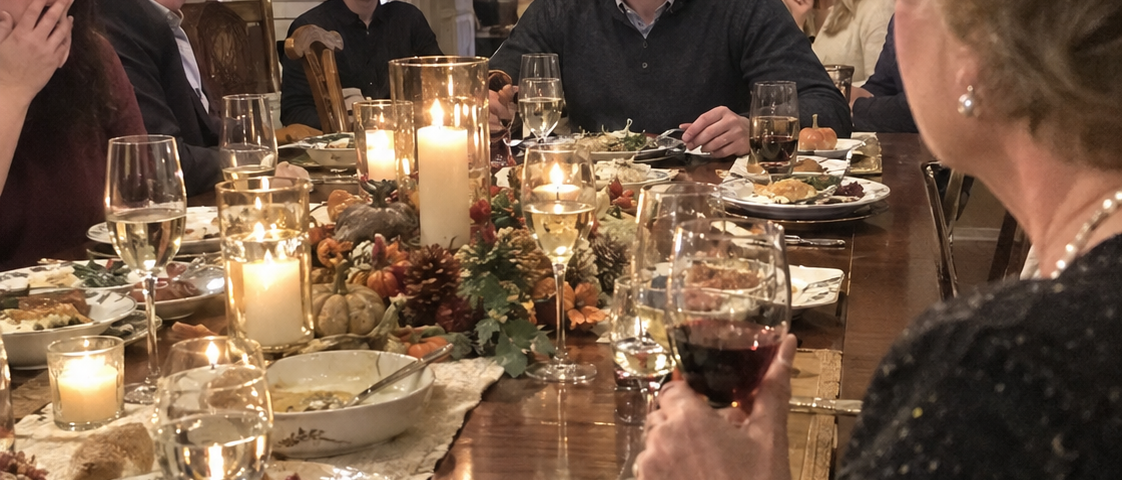
The chandelier shone above us. Coffee steamed beside untouched plates. I could hear the tiny scrape of a spoon against porcelain somewhere down the table, and the hum of the refrigerator from the kitchen, and my own breathing, steady and slow.
My aunt had gone quiet.
My uncle watched my mother closely, his expression unreadable.
Emily kept looking between us, as though waiting for someone — anyone — to stop what was happening.
My mother dabbed her mouth with her napkin, set it down with deliberate care, and said it the way someone reads a verdict.
“Everything changed after that,” she said.
Then she looked straight at me.
“Ethan was a mistake. Sometimes I wish he had never been born.”
The laughter came anyway, thin and uncertain, the sound of people who don’t know what else to do.
My father didn’t speak.
My fork stopped halfway to my mouth.
My heartbeat was so loud I felt it in my fingertips, a drumbeat behind my eyes, but I didn’t raise my voice. I didn’t look away. I thought of Dr. Keane’s office, the soft chair, the instruction I’d repeated back to her twice: You don’t need permission to walk away from the table.